-
tel:
+86-13606193016 -
email:
info@suhangmachine.com

Innovative Applications and Technical Mastery of Round Awning Tubes
Jan 14, 2026
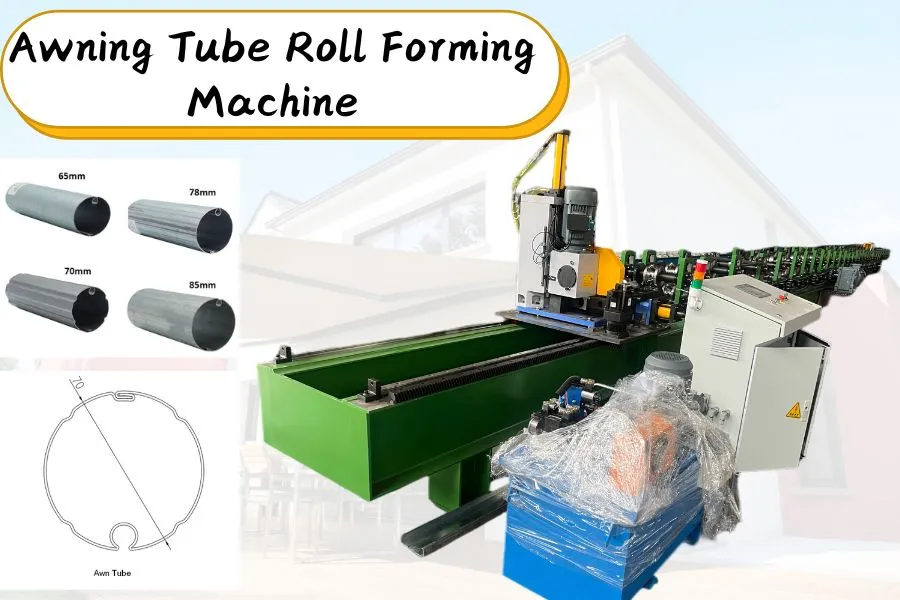
Innovative Applications and Technical Mastery of Round Awning Tubes
Introduction: Beyond Basic Shade to Architectural Artistry
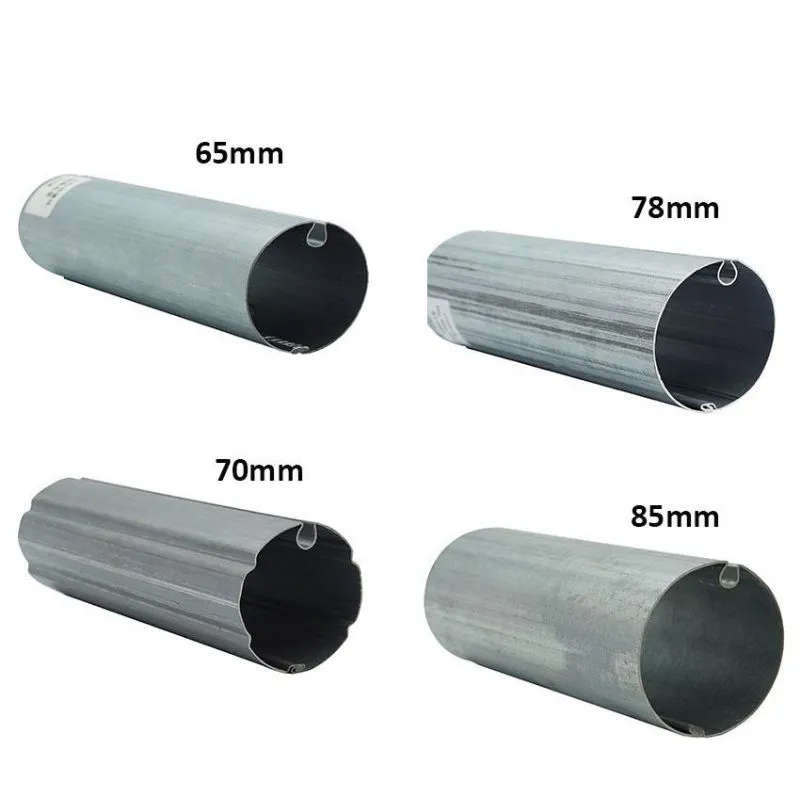
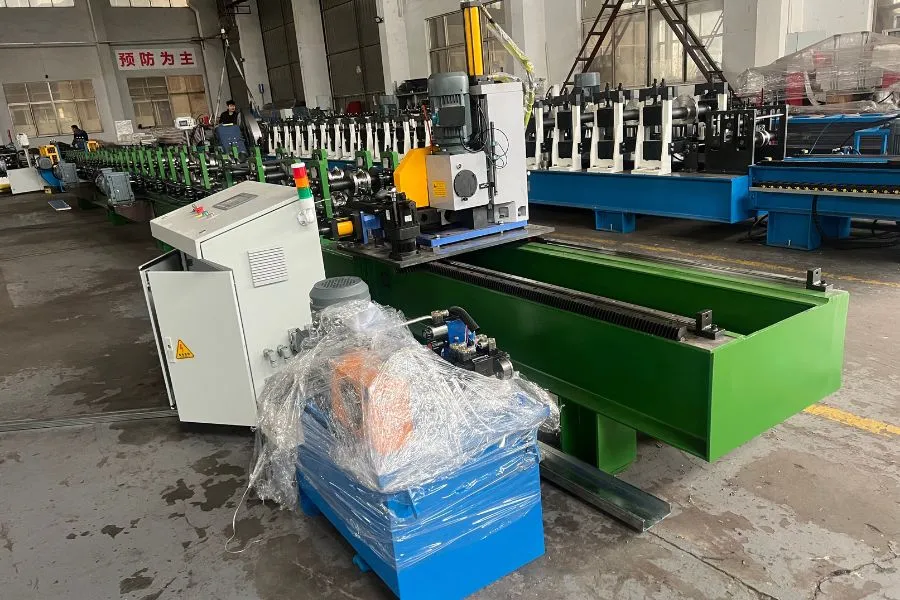
Modern round awning tubes have evolved from simple structural components to sophisticated architectural elements that combine functionality with aesthetic appeal. These cylindrical marvels, produced with precision by advanced roll forming machines, enable designers and architects to create innovative shading solutions that enhance building performance, extend living spaces, and contribute to sustainable design. This comprehensive guide explores the cutting-edge applications, technical considerations, and installation excellence of modern round awning tube systems.
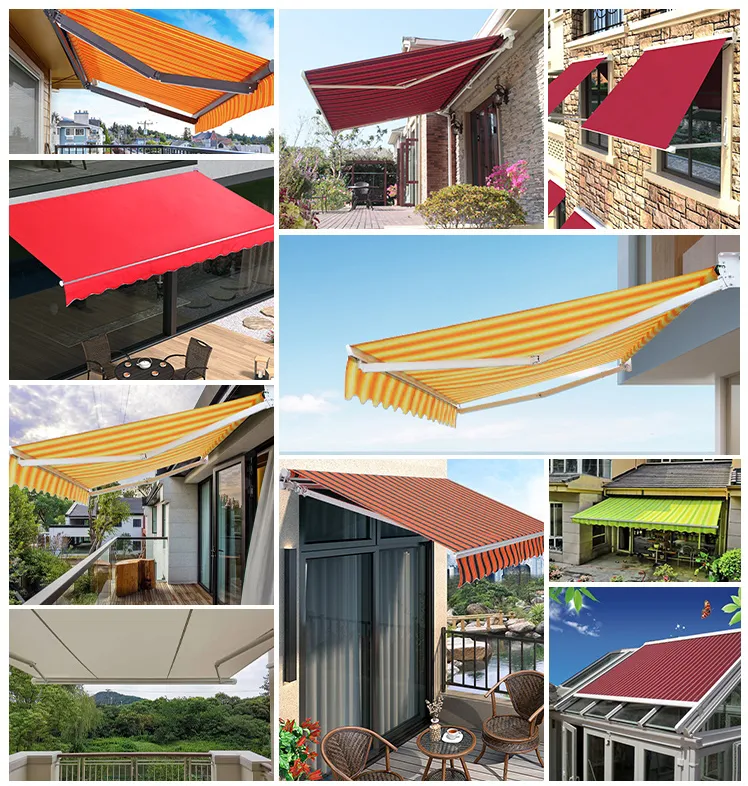
Advanced Architectural Applications
Smart Residential Solutions
Intelligent Round Tube Systems
-
Motorized Operation: Smooth, silent operation with integrated motors
-
Weather Responsive: Automatic retraction based on wind and rain sensors
-
Solar Integration: Power generation through integrated photovoltaic systems
-
Smart Home Connectivity: Integration with home automation systems
Multi-Functional Outdoor Spaces
-
Entertainment Integration: Built-in speakers and lighting systems
-
Seasonal Adaptation: Adjustable configurations for changing seasons
-
Privacy Solutions: Combined shading and privacy screening
-
Green Integration: Support for vertical gardens and living walls
Commercial and Urban Innovations
Large-Scale Architectural Projects
-
Building Facade Systems: Continuous tube runs for uniform appearance
-
Public Space Enhancement: Parks, plazas, and pedestrian walkways
-
Transit Infrastructure: Integrated shading for transportation hubs
-
Urban Cooling Solutions: Large-scale deployment for heat island mitigation
Specialized Commercial Applications
-
Hospitality Industry: Luxury resort and hotel shading
-
Retail Environments: Brand-specific design integration
-
Healthcare Facilities: Therapeutic outdoor spaces
-
Educational Campuses: Outdoor learning and social areas
Innovative Design Concepts
Dynamic Round Tube Systems
-
Telescoping Designs: Adjustable length for variable coverage
-
Rotational Capabilities: 180-360 degree rotation for optimal positioning
-
Modular Systems: Interchangeable components for flexible design
-
Custom Finishes: Specialty coatings and color options
Sustainable Design Integration
-
Rainwater Collection: Integrated gutter systems within tube structures
-
Passive Solar Design: Strategic positioning for natural heating/cooling
-
Material Optimization: Efficient use of materials through precision engineering
-
Lifecycle Analysis: Sustainable material selection and end-of-life planning
Technical Engineering Excellence
Structural Design Considerations
Load Analysis and Calculations
-
Wind Load Engineering: Calculation based on location and height
-
Snow Load Requirements: Regional climate considerations
-
Dead Load Calculations: Accounting for fabric, ice, and accessories
-
Seismic Design: Earthquake resistance in appropriate regions
Material Science Applications
-
Aluminum Alloys: 6061-T6 for structural strength, 6063-T5 for formability
-
Steel Alternatives: Galvanized, powder-coated, or stainless options
-
Advanced Coatings: PVDF, anodized, or custom color finishes
-
Corrosion Resistance: Marine-grade specifications for coastal applications
Performance Standards and Testing
International Quality Standards
-
ASTM B429: Standard specification for aluminum-alloy extruded structural pipe and tube
-
EN 13561: Performance requirements including mechanical resistance
-
ANSI/BHMA A156.38: Power-operated pedestrian door systems
-
Local Building Codes: Specific regional requirements and certifications
Comprehensive Testing Protocols
-
Wind Tunnel Testing: Dynamic load performance verification
-
Cyclic Testing: Long-term durability and fatigue assessment
-
Corrosion Testing: Salt spray and accelerated weathering evaluation
-
Structural Testing: Load capacity and failure mode analysis
Installation Excellence
Pre-Installation Planning
Site Assessment Protocol
-
Structural Evaluation: Wall/roof condition and load capacity verification
-
Utility Coordination: Identification of existing services and conflicts
-
Access Planning: Equipment requirements and material handling
-
Permit Management: Local code compliance and documentation
Design Integration Process
-
Architectural Coordination: Seamless integration with building design
-
Functional Analysis: Coverage requirements and operational needs
-
Future Planning: Maintenance access and potential expansion
-
Value Engineering: Cost-effective material and design optimization
Installation Methodology
Phase 1: Foundation and Mounting
-
Structural Attachment: Secure mounting to building framework
-
Tube Assembly: Connection of manufactured components
-
Alignment Verification: Precision leveling and positioning
-
Temporary Support: Safe positioning during installation
Phase 2: Mechanical Integration
-
Motor Installation: For automated retractable systems
-
Fabric Attachment: Proper tensioning and alignment
-
Electrical Integration: Safe and code-compliant wiring
-
Control System Programming: Operation setup and testing
Phase 3: Final Commissioning
-
Operational Testing: Full functional verification
-
Load Testing: Structural integrity confirmation
-
Weather Sealing: Ensuring proper water management
-
Client Training: Comprehensive operation and maintenance instruction
Critical Installation Considerations
Environmental Adaptations
-
High Wind Regions: Enhanced anchoring and reinforcement
-
Extreme Temperature Areas: Thermal expansion accommodation
-
Coastal Environments: Corrosion-resistant materials and coatings
-
Seismic Zones: Earthquake-resistant mounting systems
Safety and Compliance Requirements
-
Fall Protection: Installation safety systems and protocols
-
Electrical Safety: Proper grounding and circuit protection
-
Accessibility Standards: ADA compliance where required
-
Warranty Protection: Adherence to manufacturer specifications
Maintenance and Performance Optimization
Proactive Maintenance Schedule
Regular Maintenance Protocol
-
Monthly: Operational check and visual inspection
-
Quarterly: Mechanical component lubrication and adjustment
-
Semi-Annually: Structural assessment and fastener verification
-
Annually: Comprehensive system review and recalibration
Specialized Care Procedures
-
Fabric Maintenance: Proper cleaning and preservation
-
Metal Care: Corrosion prevention and touch-up procedures
-
Mechanical Systems: Motor and gear maintenance
-
Control Systems: Software updates and component testing
Performance Optimization Strategies
Energy Efficiency Enhancement
-
Optimal Positioning: Maximizing shading effectiveness
-
Material Upgrades: Higher performance fabric and components
-
System Integration: Coordinated operation with building systems
-
Monitoring Systems: Performance tracking and optimization
Lifespan Extension Techniques
-
Protective Coatings: Advanced surface treatments
-
Preventive Maintenance: Proactive component replacement
-
Environmental Protection: Additional weather protection measures
-
Upgrade Paths: System enhancement opportunities
Industry Innovations and Future Directions
Emerging Technologies
Smart System Integration
-
IoT Connectivity: Remote monitoring and control capabilities
-
Predictive Maintenance: AI-driven failure prediction
-
Energy Harvesting: Integrated power generation systems
-
Adaptive Learning: Systems that learn from usage patterns
Material Science Advances
-
Self-Healing Coatings: Automatic repair of surface damage
-
Phase-Change Materials: Temperature regulation capabilities
-
Bio-Based Composites: Sustainable material alternatives
-
Smart Materials: Responsive to environmental conditions
Design Evolution
Architectural Trends
-
Organic Forms: Non-linear and flowing tube designs
-
Minimalist Aesthetics: Clean lines and hidden mechanisms
-
Multi-Functional Systems: Combined shading, lighting, and audio
-
Custom Fabrication: On-site manufacturing capabilities
Sustainability Focus
-
Circular Economy: Design for disassembly and recycling
-
Carbon Neutral Operations: Offset manufacturing emissions
-
Water Conservation: Integrated rainwater management
-
Biodiversity Support: Designs that support local ecosystems
Market Analysis and Business Opportunities
Global Market Trends
-
North America: Growing demand for outdoor living spaces
-
Europe: High aesthetic standards and energy efficiency focus
-
Asia-Pacific: Rapid urbanization driving commercial demand
-
Middle East: Extreme climate adaptation requirements
Business Development Strategies
-
Custom Manufacturing: Specialized tube production services
-
System Integration: Complete awning solution provision
-
Maintenance Services: Ongoing support and optimization
-
Training Programs: Installation and maintenance education
.webp)
.webp)
Conclusion: The Future Is Round and Resilient
Round awning tube systems represent the convergence of engineering excellence, architectural innovation, and sustainable design. Through advanced roll forming technology, these components have evolved from simple structural elements to sophisticated systems that enhance building performance, extend living spaces, and contribute to environmental sustainability.
The future of round awning tubes lies in smarter integration, sustainable materials, and innovative designs that respond to changing climate conditions and architectural trends. As technology advances and market demands evolve, these systems will continue to play a crucial role in creating comfortable, efficient, and beautiful outdoor environments.
For manufacturers, designers, and installers, understanding the full potential of round awning tube systems—from precision manufacturing to innovative application—creates opportunities for differentiation, value creation, and sustainable business growth. The perfect circle, it seems, truly is the foundation of modern sun protection excellence.
Ready to explore the possibilities of round awning tube systems? Our technical team offers comprehensive support for manufacturing, design, and implementation solutions tailored to your specific needs.
Related News

.webp?x-oss-process=image/resize,w_100/quality,q_100)


Contact US
Product Information
Quantity
Unit
Piece
Support order samples, customization, wholesale direct, and complete payment. If the product you look for does not have corresponding customized content, pls fill out the form below to contact us, and we will reply ASAP.