-
tel:
+86-13606193016 -
email:
info@suhangmachine.com

Roof Batten and Ceiling Batten – Essential Components for Modern Building Systems
Oct 12, 2026
Roof Batten and Ceiling Batten – Essential Components for Modern Building Systems
1. Introduction
In the modern construction industry, roof battens and ceiling battens are important components used to create reliable, durable, and efficient building systems. Although these products are usually hidden after construction, they play a significant role in supporting roofing materials and interior ceiling finishes.
A roof batten is generally installed across roof rafters or other supporting members to provide a fixing base for roof tiles, metal roofing sheets, and other compatible roof coverings. A ceiling batten is installed beneath roof trusses, ceiling joists, or other suitable structures to support plasterboard, ceiling panels, and decorative interior finishes.
Both products are available in different materials, including timber and galvanized steel. In modern residential, commercial, and industrial construction, steel battens are valued for their consistent dimensions, practical installation characteristics, and suitability for standardized building systems.
Understanding the differences and advantages of roof battens and ceiling battens helps builders, contractors, architects, and material distributors select the right products for their projects.
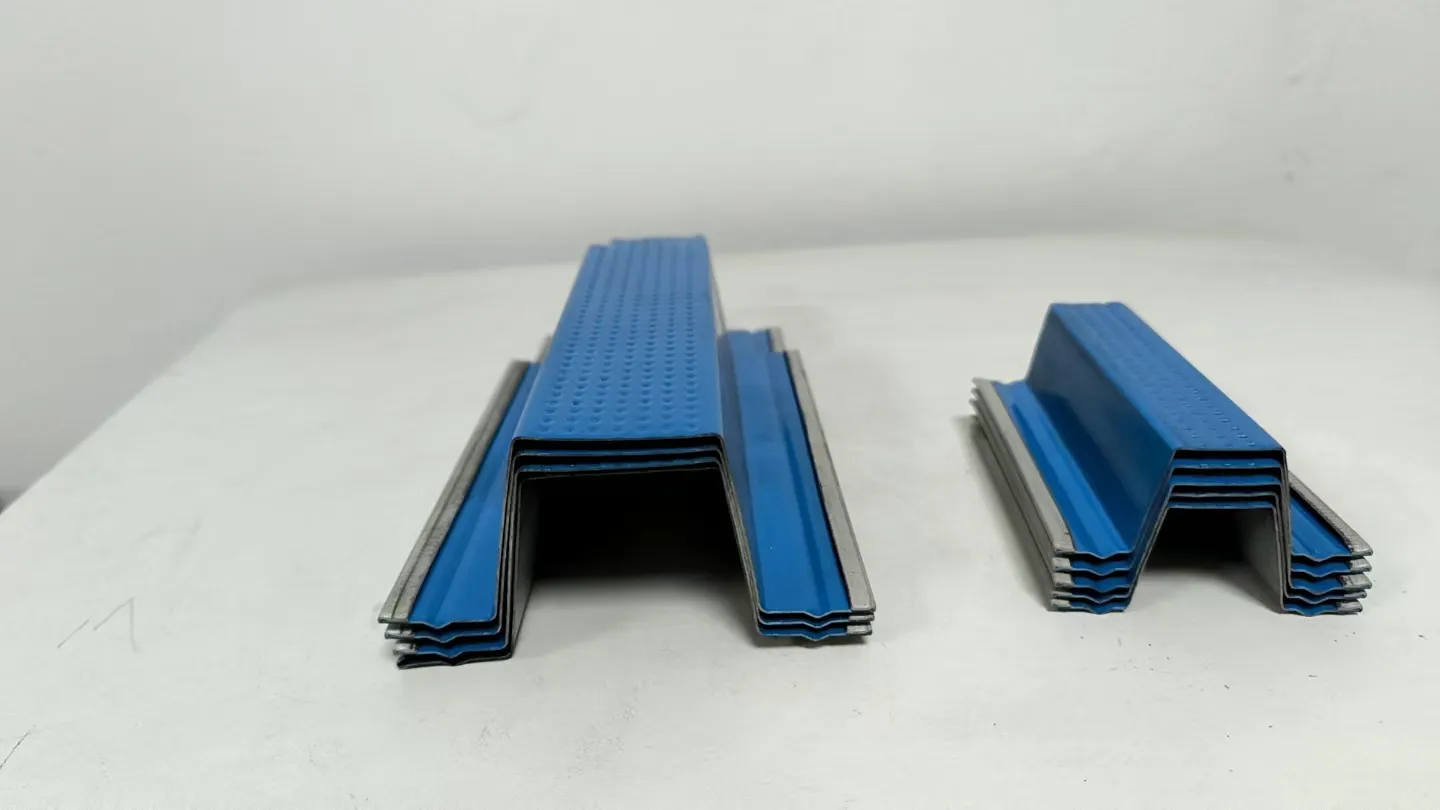
2. Roof Batten: Structure, Features and Applications
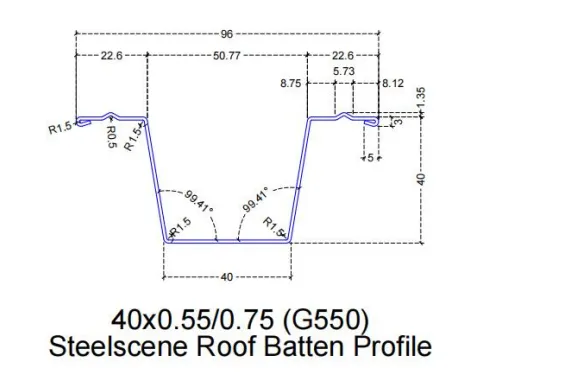
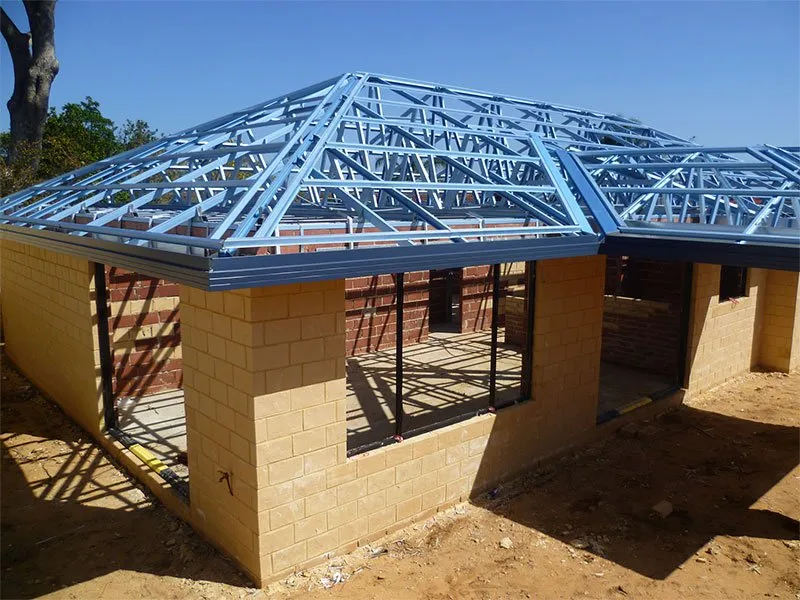
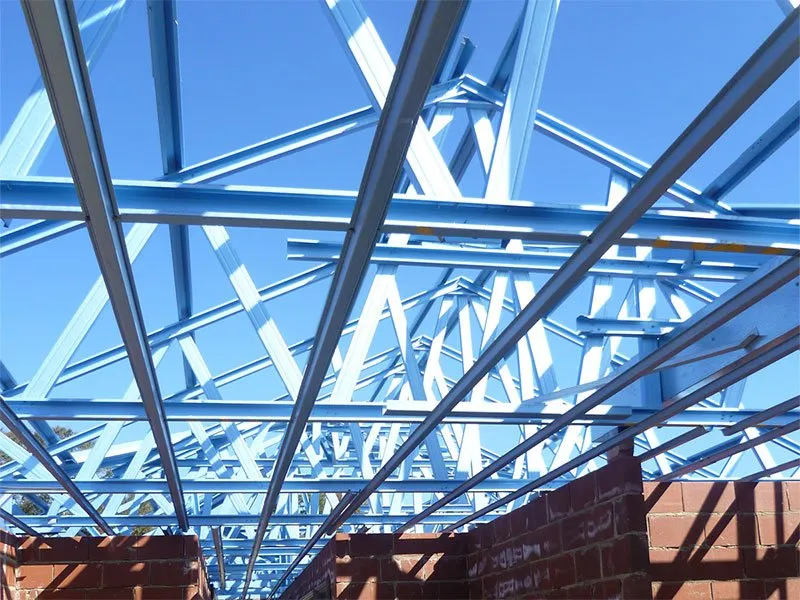
Roof battens are essential supporting components in many pitched roofing systems. They are commonly installed horizontally across rafters or roof trusses, creating a framework for fixing roof tiles or compatible metal roofing products.
One of the main functions of a roof batten is to provide secure fixing points for the roof covering. Properly positioned battens help maintain uniform spacing and alignment, contributing to a neat roof appearance and the correct overlap of roofing materials.
Roof battens must also transfer the loads imposed by the roof covering to the supporting structure. Depending on the building design, these loads may include the weight of the roofing materials, wind forces, maintenance loads, and snow loads where applicable. For this reason, the batten profile, thickness, spacing, span, and fixing method must be selected according to the relevant engineering requirements.
Modern roof battens are commonly manufactured from galvanized steel. The zinc coating helps protect the steel against corrosion, while the formed profile provides a consistent fixing surface. Steel battens can be produced in different sizes and configurations to suit particular roofing systems.
Timber roof battens remain useful in many traditional applications because they are easy to cut and adjust on site. However, timber may experience dimensional changes due to moisture, and its performance depends on grading, drying, treatment, and installation quality.
Roof battens are widely used in residential housing, commercial buildings, warehouses, factories, and agricultural structures. They can also be incorporated into renovation projects where an existing roof requires replacement or upgrading.
In some roofing assemblies, battens work together with underlays or counter battens to create a space for drainage or ventilation. These arrangements must be designed as part of the complete roof system to achieve the intended performance.
3. Ceiling Batten: Structure, Features and Applications
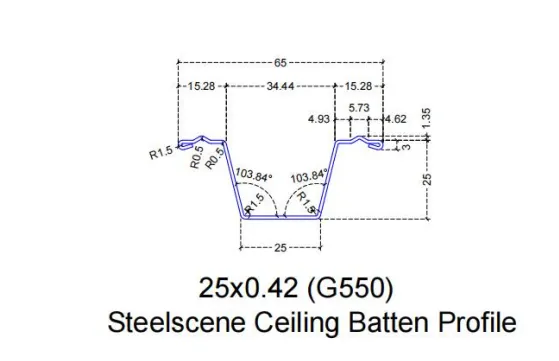
Ceiling battens are used to create a stable supporting framework for interior ceiling finishes. They are typically installed beneath roof trusses, ceiling joists, or other suitable structural surfaces. Plasterboard, gypsum board, timber lining, and other approved ceiling materials can then be attached to the batten framework.
The primary advantage of a ceiling batten is that it provides a consistent fixing surface. Building structures are not always perfectly level, and a properly designed batten system can help installers establish a straighter ceiling plane.
Ceiling battens are particularly useful in residential and commercial buildings where appearance, installation efficiency, and reliable support are important. They are commonly used in bedrooms, living rooms, offices, retail spaces, schools, hotels, and other interior environments.
Galvanized steel ceiling battens are popular because their manufactured profiles offer consistent dimensions and predictable installation characteristics. Their lightweight construction can also make handling and positioning easier, depending on the product design.
Another advantage is the ability to coordinate ceiling battens with other building components. The space between the structural surface and the finished ceiling may accommodate selected electrical cables, insulation, or other building services where the design and applicable regulations permit.
Some ceiling systems use direct-fixed battens, while others incorporate clips, hangers, or suspension channels. The appropriate method depends on the required ceiling height, substrate condition, system design, and desired finished surface.
It is important to remember that ceiling battens are not automatically suitable for supporting heavy lights, ceiling fans, storage systems, or other concentrated loads. Such components may require independent structural support or specific reinforcement.
4. Main Advantages of Using Roof and Ceiling Battens
Both products provide practical benefits when correctly specified and installed.
-
Reliable support: Roof battens provide fixing points for compatible roofing materials, while ceiling battens support ceiling finishes.
-
Dimensional consistency: Manufactured steel profiles can help create uniform spacing and alignment.
-
Installation efficiency: Standardized lengths and compatible accessories may reduce on-site adjustments and material waste.
-
Design flexibility: Different profiles and installation methods can accommodate a range of building layouts.
-
Durability: Appropriate materials and protective finishes can help reduce deterioration under suitable service conditions.
-
Improved coordination: Batten systems can be integrated with other building components, including selected insulation and service arrangements.
These advantages depend on selecting products for their intended purpose. A ceiling batten should not be substituted for a roof batten merely because the profiles appear similar.
5. Conclusion
Roof battens and ceiling battens are essential supporting components in many modern building systems. Roof battens provide a fixing framework for roofing materials, while ceiling battens help create a stable, aligned surface for interior finishes.
Timber and galvanized steel both have useful applications, but material selection should reflect the structural requirements, environmental conditions, installation methods, and expected service life of the building.
By choosing suitable products and following manufacturer specifications, builders and contractors can improve installation quality, reduce avoidable maintenance, and create more reliable roofing and ceiling systems.
Related News

.webp?x-oss-process=image/resize,w_100/quality,q_100)


Contact US
Product Information
Quantity
Unit
Piece
Support order samples, customization, wholesale direct, and complete payment. If the product you look for does not have corresponding customized content, pls fill out the form below to contact us, and we will reply ASAP.