-
tel:
+86-13606193016 -
email:
info@suhangmachine.com

.webp?x-oss-process=image/resize,w_100/quality,q_100)
.webp?x-oss-process=image/resize,w_100/quality,q_100)
.webp?x-oss-process=image/resize,w_100/quality,q_100)
.webp?x-oss-process=image/resize,w_100/quality,q_100)
.webp?x-oss-process=image/resize,w_100/quality,q_100)
Australia Popular 0.42-0.55mm BMT G550 Galvanized Steel Roof Batten and Ceiling Batten 2 in one Roll Forming Machine
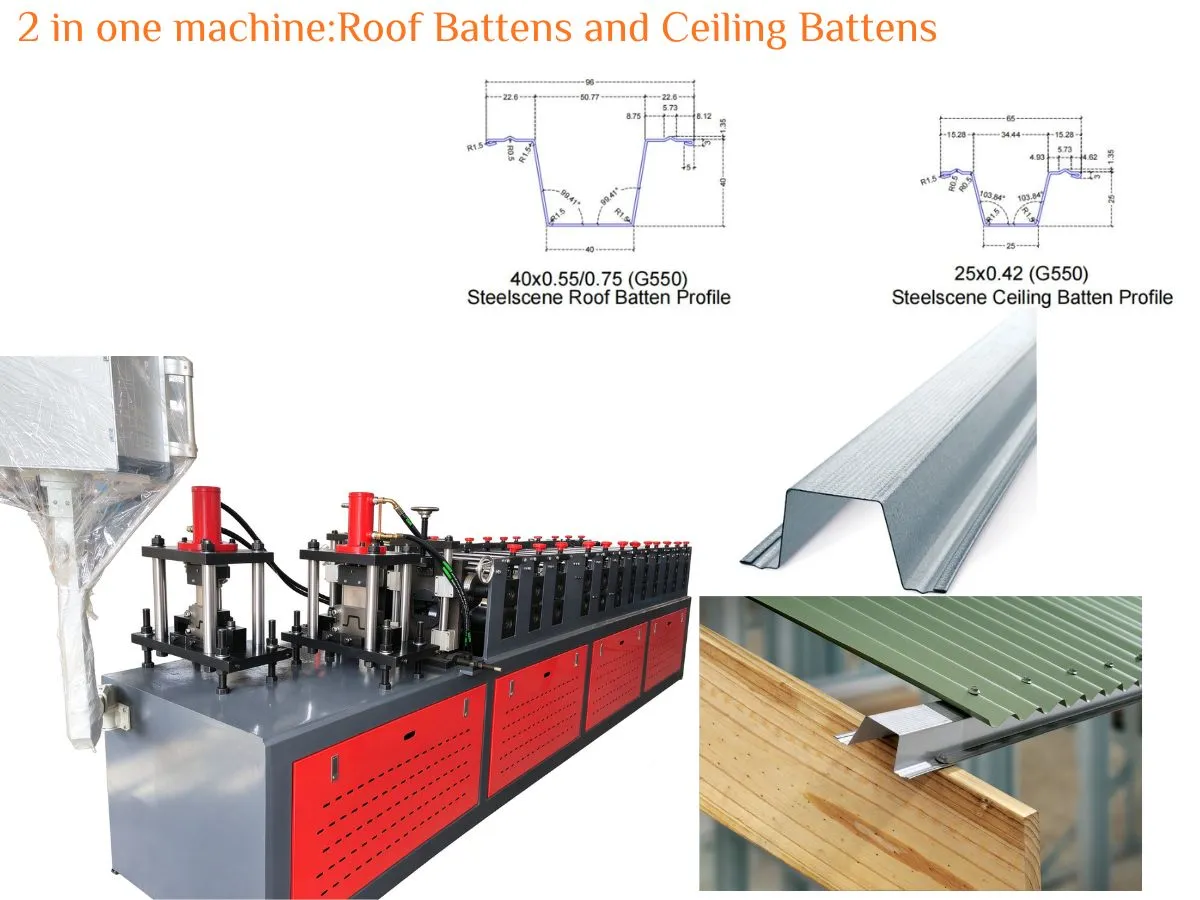
1. Introduction to Roof Batten and Ceiling Batten in Australia
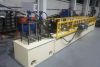
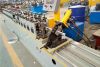
This machine is for the client from Australia, we called it 2 in 1 machine. It can produce 2 different profile designs, which is roodf batten and ceiling batten.
Roof battens and ceiling battens are essential components in Australia's residential, commercial, and industrial construction industries. They provide reliable support for roofing materials and interior ceiling finishes, helping builders achieve stable structures, accurate alignment, and efficient installation.
In Australia, steel battens are widely used in modern construction because of their consistent dimensions, lightweight profiles, and suitability for a variety of building applications. Common products include galvanized steel roof battens, cyclonic roof battens, and metal ceiling battens designed for different structural and environmental requirements.
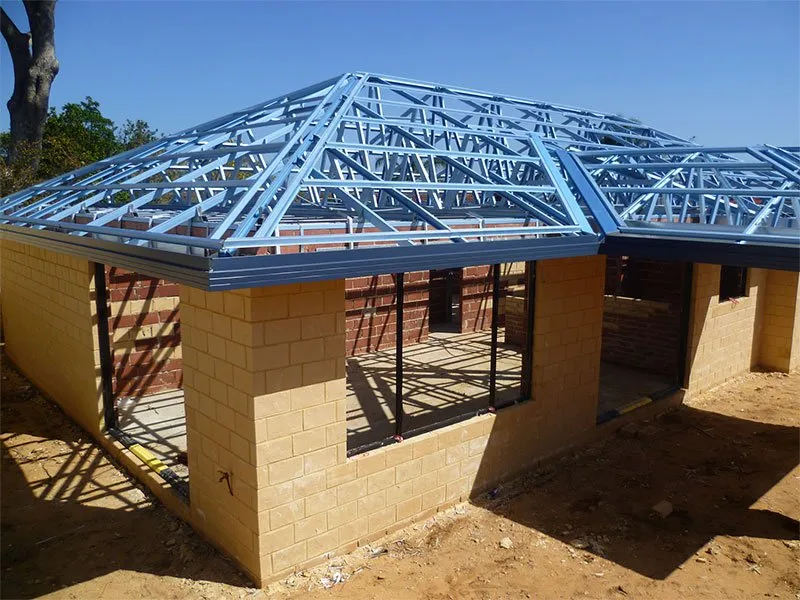
Roof battens are generally installed across roof rafters or other supporting members to provide fixing points for roof tiles and compatible roofing materials. Ceiling battens are installed beneath roof trusses, ceiling joists, or other suitable structures to support plasterboard and decorative ceiling finishes.
Although these products may look similar, they have different functions and performance requirements. Selecting the correct batten system is important for ensuring building safety, durability, and compliance with applicable Australian building requirements.
Roof battens and ceiling battens are essential components in Australia's residential, commercial, and industrial construction industries. They provide reliable support for roofing materials and interior ceiling finishes, helping builders achieve stable structures, accurate alignment, and efficient installation.
In Australia, steel battens are widely used in modern construction because of their consistent dimensions, lightweight profiles, and suitability for a variety of building applications. Common products include galvanized steel roof battens, cyclonic roof battens, and metal ceiling battens designed for different structural and environmental requirements.
Roof battens are generally installed across roof rafters or other supporting members to provide fixing points for roof tiles and compatible roofing materials. Ceiling battens are installed beneath roof trusses, ceiling joists, or other suitable structures to support plasterboard and decorative ceiling finishes.
Although these products may look similar, they have different functions and performance requirements. Selecting the correct batten system is important for ensuring building safety, durability, and compliance with applicable Australian building requirements.
Technical Data:
|
Forming stations
|
About 12 stations / 12 stations
|
|
Rollers material
|
45# high grade steel,quenching treatment HRC 50-55
|
|
Way of drive
|
Chain drive
|
|
Raw material request
|
galvanized steel or color painted steel
|
|
Whole line working speed
|
0-12m/min
|
|
Length precision
|
6+-1.0mm
|
|
Cutting system
|
Hydraulic cutting
|
|
PLC
|
Siemens
|
|
Main Power with reducer
|
5.5KW WH Chinese Famous
|
|
Cutting holder
|
Hydraulic cutting
|
|
Motor power of hydraulic station
|
4KW
|
|
Cutting type
|
Hydraulic drive, cut after forming
|
|
Material of cutting blade
|
Cr12Mov , quenching process
|
Machine List:
|
Name
|
Quantity
|
|
3 ton passive de-coiler
|
2 sets
|
|
Main roll forming machine
|
1 set
|
|
Control box
|
1 unit
|
|
Hydraulic station
|
1 unit
|
|
Out tables
|
2 units |
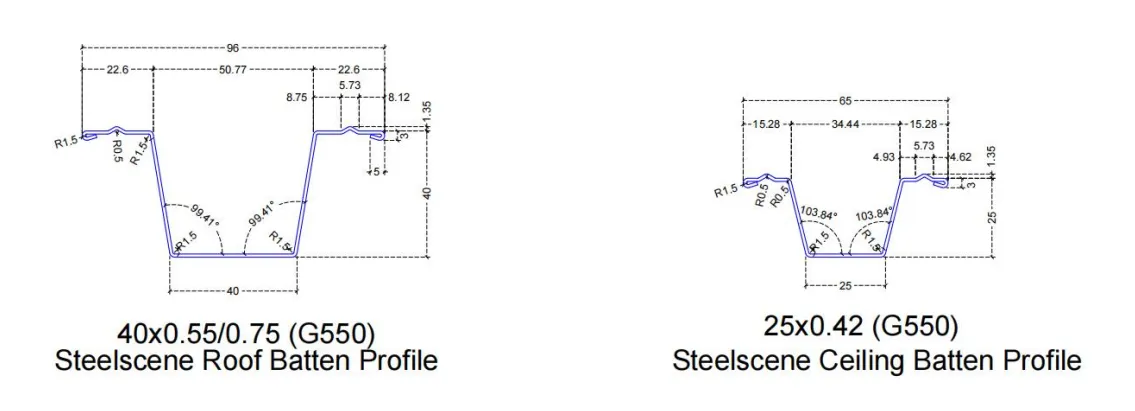
Profile Drawing:
| Product |
Example Australian market specification |
|---|---|
|
Ceiling batten |
22 mm profile height |
|
Standard roof batten |
40 mm profile height |
|
Standard steel thickness |
Approximately 0.42–0.55 mm BMT |
|
Cyclonic roof batten |
Some products use 0.75 mm BMT |
|
Steel grade |
G550 is used in some product ranges |
|
Protective coating |
Galvanized or zinc-aluminium alloy coating |
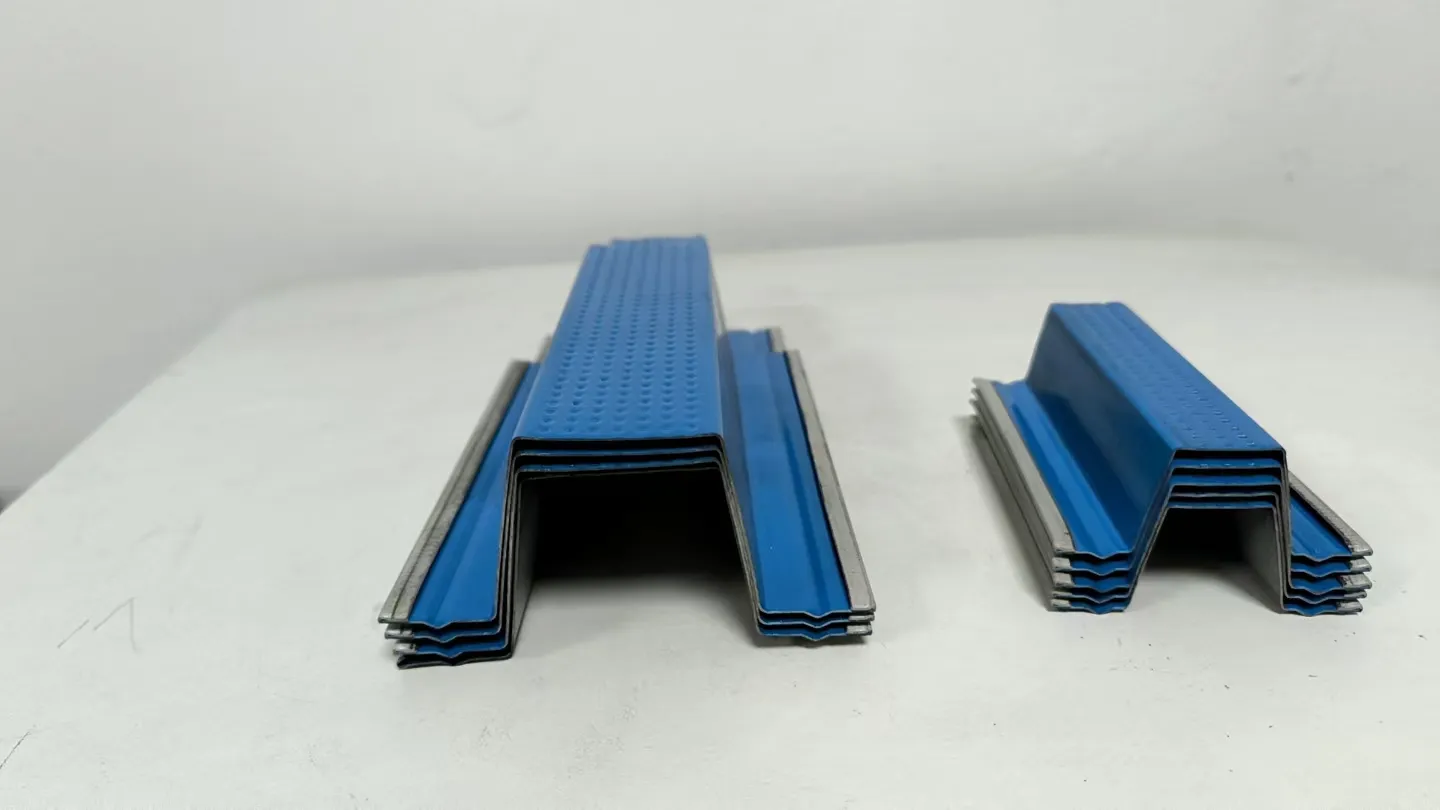
Roof battens and ceiling battens are used in a wide range of construction projects.
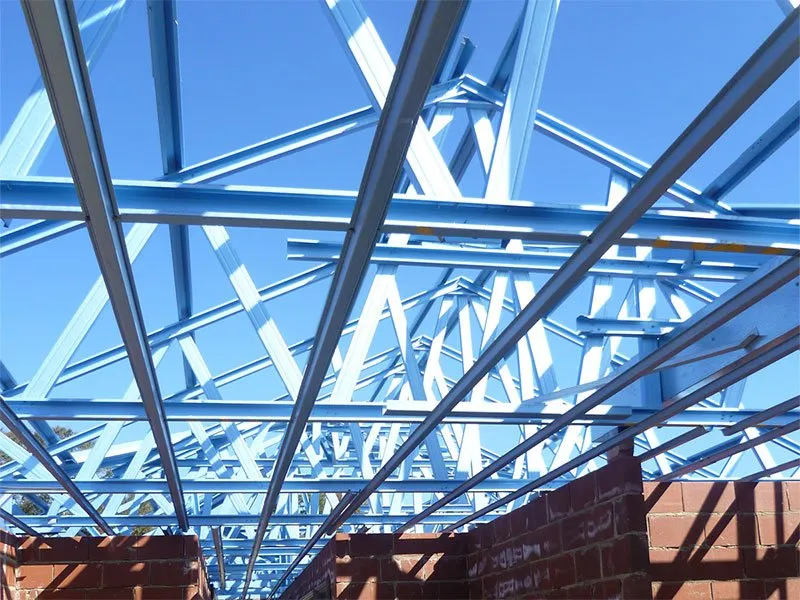
In residential buildings, roof battens support compatible roofing systems, while ceiling battens create fixing frameworks for interior finishes. In commercial buildings, standardized metal batten systems may be used where consistent installation and coordination with other building components are important.
Industrial buildings and warehouses may use specialized roof and ceiling arrangements according to their structural design, environmental conditions, and intended use.
In renovation projects, roof battens can be inspected and replaced during roof-covering upgrades. Ceiling battens may be incorporated into new ceiling systems to improve alignment or accommodate a revised interior layout.
In every application, the selected product must match the requirements of the complete assembly. Proper coordination among designers, suppliers, roofing contractors, ceiling installers, and other trades helps avoid installation conflicts and supports better construction quality.
CONTACT US
Related Products



.jpg?x-oss-process=image/resize,w_100/quality,q_100)
Contact US
Product Information
Quantity
Unit
Piece
Support order samples, customization, wholesale direct, and complete payment. If the product you look for does not have corresponding customized content, pls fill out the form below to contact us, and we will reply ASAP.