-
tel:
+86-13606193016 -
email:
info@suhangmachine.com

Types of Standing Seam Metal Roofing Panel Systems
Aug 18, 2025
Types of Standing Seam Metal Roofing Panel Systems
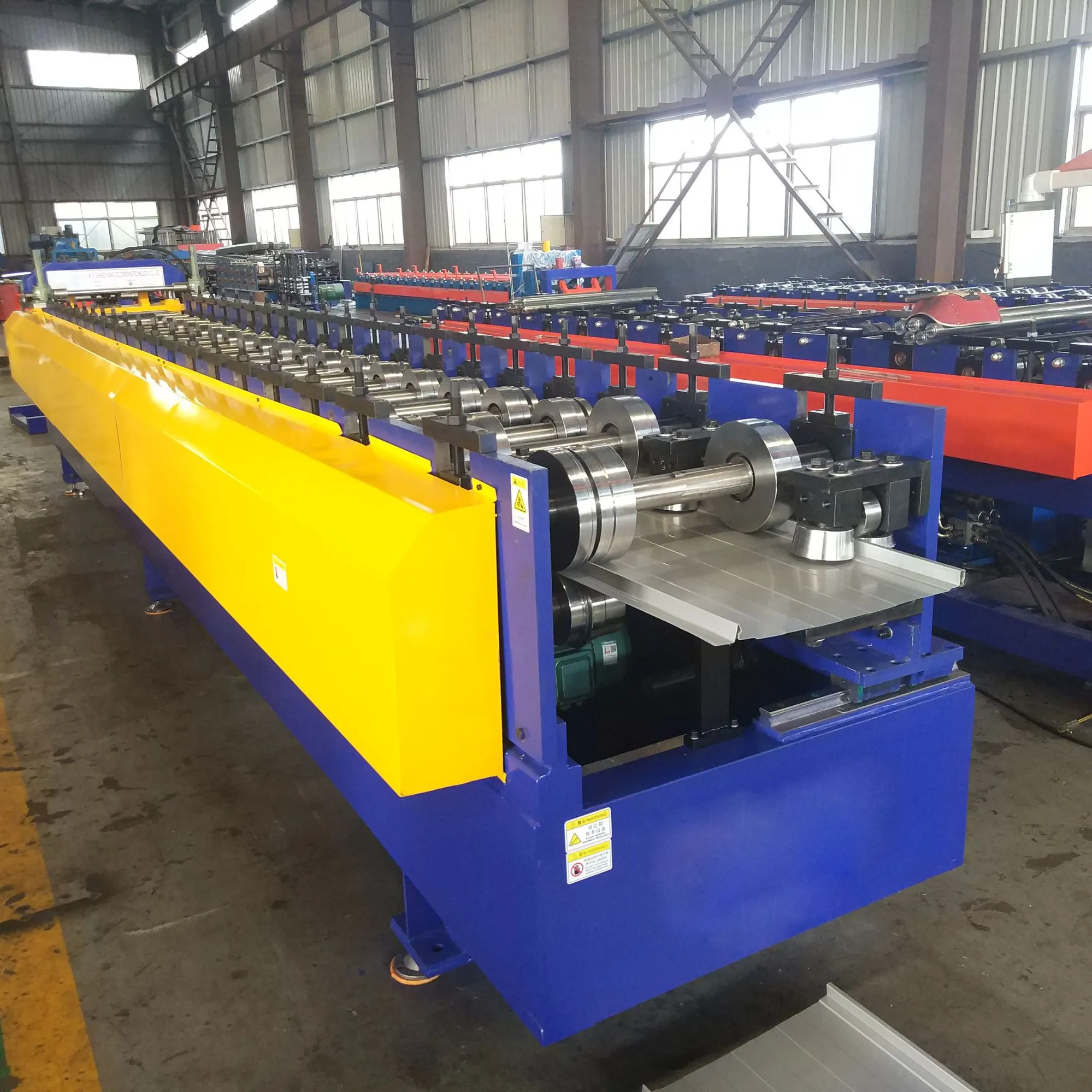
There are 3 types of standing seam metal roofing panels and all of them are a concealed fastener system. This means that the fasteners on each metal panel are not visible or exposed to the weather. Concealed fastener panels are more weather-tight and expensive when compared to exposed fastener panels.
1.Mechanically Seamed – The panel edges are connected together with a roof seamer.
-
How it works: Panel legs are engaged and then mechanically seamed (crimped) together with a seaming tool.
-
Types:
-
Single-lock (90° seam) → easier and faster to install.
-
Double-lock (180° seam) → stronger, more watertight, best for harsh climates.
-
-
Best for: Low-slope roofs, snow-prone or high-wind areas.
-
Advantages: Superior strength and weather resistance.
-
Limitation: More labor-intensive and costly.

.webp)
2.Snap-Lock Standing Seam
-
-
How it works: Panels have roll-formed male and female legs that snap together without mechanical seaming.
-
Fastening: Clips or fasteners are concealed beneath the panels.
-
Best for: Residential and light commercial roofing.
-
Advantages: Faster installation, clean look, watertight.
-
Limitation: Not ideal for very low-slope roofs or extreme climates.

.webp)
3. Nail Strip (Fastener Flange) Standing Seam
-
How it works: One leg of the panel has a built-in fastener flange that is nailed or screwed to the roof deck, then the next panel snaps over it.
-
Best for: Residential use and small projects.
-
Advantages: Easy, economical, no clips needed.
-
Limitation: Limited expansion/contraction movement; not suitable for large roofs.

✅ Summary:
-
Snap-Lock → Fast install, residential.
-
Mechanical Lock (Single/Double) → Strongest, best for low-slope & harsh climates.
-
Nail Strip → Budget-friendly, simple install.
Key Considerations When Choosing a System:
-
Roof Slope: Low-slope roofs need double-lock or batten systems for better waterproofing.
-
Climate: High-wind or snow-prone areas may require mechanical-lock or structural systems.
-
Budget: Snap-lock is more affordable, while double-lock and batten systems are premium options.
-
Aesthetics: Some profiles offer a more modern or traditional look
-
-
-
-
.webp?x-oss-process=image/resize,w_100/quality,q_100)
Related News

.webp?x-oss-process=image/resize,w_100/quality,q_100)


Contact US
Product Information
Quantity
Unit
Piece
Support order samples, customization, wholesale direct, and complete payment. If the product you look for does not have corresponding customized content, pls fill out the form below to contact us, and we will reply ASAP.